






How To Centralize Your Endpoint Security Management
Keeping track of every computer, phone, and tablet across a business can feel like herding cats. Each device holds valuable data, yet each one also invites trouble if left alone. Scattered tools create blind spots, missed updates, and tired teams chasing alerts.
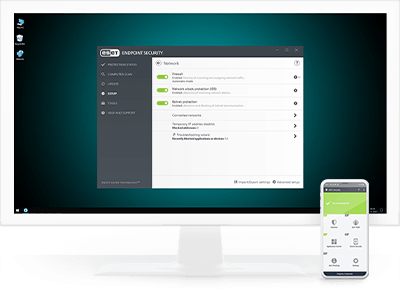
The fix is a single control panel that sees everything at once. This approach changes how you handle endpoint security without extra chaos.
Unify device oversight:
Centralized systems gather data from all connected items. Admins view status reports from laptops to tablets in a single dashboard. This view stops blind spots. Staying alert becomes easier when every connected machine reports back to a base camp. Quick action prevents minor slips from becoming major crashes.
Automate patch updates:
Waiting for manual updates leaves holes in defenses. Automated tools push patches to all machines at once. This practice keeps software current without human errors. Outdated code acts as an open door for bad actors. Patching all assets instantly removes these risks without delay. Consistency builds a strong shield against threats.
Standardize security rules:
Applying different rules to different devices creates messy configurations. Uniform policies ensure every machine follows identical safety guidelines. When rules apply to everything at once, compliance rates jump high. Users face the same login steps and access levels, keeping work simple. Consistency stops confusion and keeps defense plans solid.
Monitor traffic patterns:
Tracking data flow reveals weird activities fast. Centralized platforms highlight unusual sign-ins or blocked attempts across the network. Seeing activity logs in real time helps pinpoint trouble areas before damage occurs. Swift detection saves assets. Keeping tabs on who accesses data maintains total order across all hardware connections.
Manage access permissions:
Granting too much access leads to data leaks. Centralized control allows specific permission levels for each device. Limiting rights means staff see only what they need. If a laptop goes missing, remote wipe features protect sensitive files immediately. Strict access control keeps critical data safe from prying eyes. Proper limits keep operations clean.
Streamline incident response:
Reaction time defines defense strength. Centralized management tools allow teams to isolate infected devices instantly. Stopping a threat on a single unit prevents it from jumping to others. Fast isolation keeps the rest of the network healthy. Quick cleanup reduces downtime and keeps work flowing steady. Unified response turns chaotic accidents into controlled events.
Related Post

How To Properly Rinse Off Your Face Wash
Splash, lather, and rinse: a simple routine that holds a surprising amount of confusion. Many finish washing their face in...

Tips To Use Scarcity And Exclusivity To Drive Off-Plan Sales
Building excitement for a new project takes a special touch to catch the eye of buyers. People love to own...

How To Design A Custom Exhibition Booth That Attracts Visitors Like A Magnet
The trade show floor is like a busy marketplace where every second counts for your brand. Most stalls look exactly...

Reasons Why Contemporary Art Is More Accessible Than Ever Before
Art used to exist behind heavy doors or inside quiet rooms that felt far away. Today, the walls have fallen...

Curly Hair In Men Why You Need A Curl-Specialist Salon
Men often treat hair care as a quick task to finish quickly. If you have curls, a standard barber might...
6 Ways To Keep Your Office Pantry Organized And Always Ready
Hungry employees are rarely productive employees. A messy snack area creates stress and wastes precious minutes during a busy workday....